
During the last quarter of 2022, the Lab52 team has conducted an in-depth analysis of the threats that have been active during the period, focusing on information from both public and private sources, as well as studying the geopolitical context in order to anticipate potential campaigns. Below is the report for the quarter, which includes […]

Analyzing the encryption method of emerging ransomware families
Cyble has recently published an analysis of AXLocker ransomware, a new ransomware that has been seen for the first time in november this month. As the article explains, the ransomware encrypts and exfiltrates data using discord. In this report we will focus on the encryption routine of this new artifact, which we can see in […]
NATO Summit 2022: The perfect pretext to launch a cybercampaign
S2Grupo’s Threat Hunting team has carried out an investigation on the occasion of the NATO summit held in Madrid on June 29th and 30th on possible APT group campaigns that could have targeted this event. In this line, we have investigated those domains that had as part of the name any of the keywords provided […]
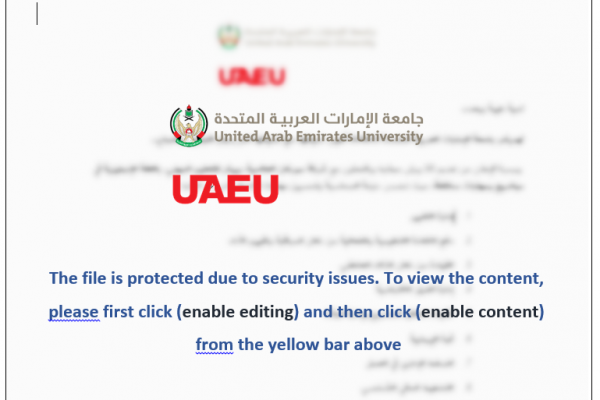
MuddyWater’s “light” first-stager targeting Middle East
Since the last quarter of 2020 MuddyWater has maintained a “long-term” infection campaign targeting Middle East countries. We have gathered samples from November 2020 to January 2022, and due to the recent samples found, it seems that this campaign might still be currently active. The latest campaigns of the Muddy Water threat group, allegedly sponsored […]

Complete dissection of an APK with a suspicious C2 Server
During our analysis of the Penquin-related infrastructure we reported in our previous post, we paid special attention to the malicious binaries contacting these IP addresses, since as we showed in the analysis, they had been used as C2 of other threats used by Turla. One threat that makes contact with the 82.146.35[.]240 address in particular […]
Another cyber espionage campaign in the Russia-Ukrainian ongoing cyber attacks
From lab52, in connection to the latest events related to the Russia’s ongoing cyberattacks in Ukraine, beyond destructive artifacts seen like Wipers and others, a new wave of malicious office documents (hereinafter maldocs) has been observed attempting to compromise systems leveraging a variant of well-know and open-source malware known as Quasar RAT. Recently, we identified […]